The Impact of NGO Work in the Pacific Region
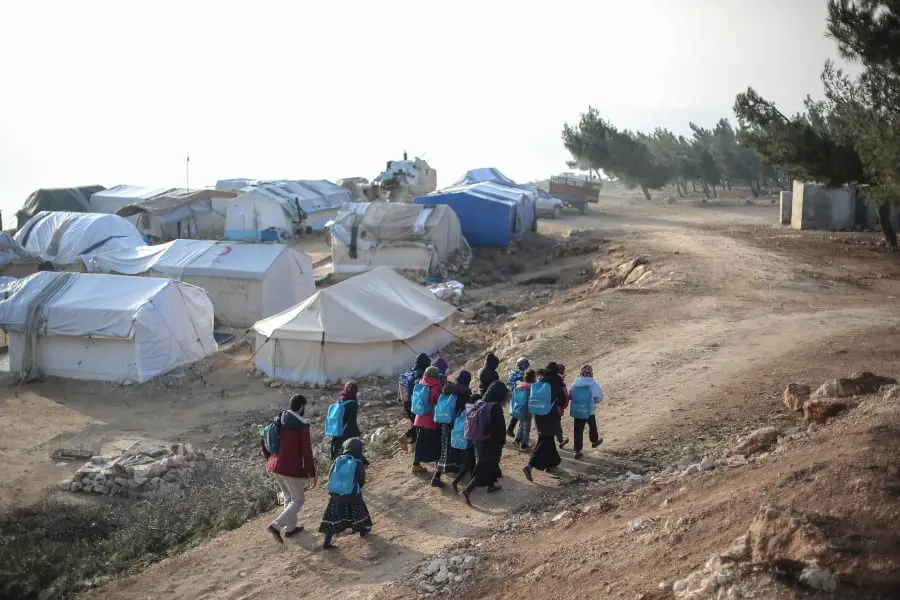
The Pacific region, with its unique challenges and resources, has become a focal point for numerous non-governmental organizations. These pacific ngo work nonprofit work in the pacific organizations tackle issues ranging from environmental sustainability to community health, helping to uplift the lives of many. In this article, we will delve into the diverse roles and contributions of NGOs in the Pacific, highlighting both their successes and the challenges they face.
The Role of NGOs in the Pacific
Non-governmental organizations have been crucial in addressing various social, economic, and environmental issues in the Pacific Islands. Often stepping in where governmental services are limited or non-existent, these NGOs fill a vital gap in development efforts.
One prominent area of focus is education, where NGOs work to enhance literacy rates and educational access. Many Pacific Island countries face challenges related to remote populations and limited resources. Through innovative programs, NGOs implement mobile schools and remote teaching initiatives, ensuring that all children have the opportunity to receive an education.
Environmental Conservation
The environmental challenges faced by Pacific nations are unprecedented, particularly in the context of climate change. Rising sea levels, changing weather patterns, and natural disasters pose significant threats to local communities and ecosystems. NGOs have taken the lead in environmental conservation efforts, promoting sustainable practices and raising awareness about climate adaptation.

Many organizations have launched initiatives focused on coral r
eef restoration, reforestation, and sustainable fishing practices. By partnering with local communities, these NGOs not only aim to preserve natural resources but also to empower individuals to become stewards of their environment.
Healthcare Initiatives
Access to healthcare remains a critical issue in many Pacific Island nations. The geographical isolation of some islands makes it challenging to deliver healthcare services effectively. NGOs play an instrumental role in bridging this gap by providing medical services, health education, and resources such as clean water and sanitation facilities.
Through mobile health clinics and community outreach programs, these organizations reach the most vulnerable populations. They also focus on maternal and child health, nutrition, and the prevention of communicable diseases, significantly impacting community health outcomes.
Cultural Preservation
Another important aspect of NGO work in the Pacific is the preservation of cultural heritage and traditions. Many NGOs work with indigenous communities to document languages, practices, and histories before they fade away. By facilitating workshops and cultural exchanges, these organizations help foster a sense of pride and identity among local populations.
The protection of traditional knowledge and practices is vital not only for cultural continuity but also for promoting sustainable livelihoods. Many indigenous practices have been proven effective in resource management and conservation, thus integrating cultural preservation with environmental sustainability.
Challenges Faced by NGOs
Despite their contributions, NGOs operating in the Pacific face numerous challenges. Funding is often a significant obstacle, as many organizations rely on grants and donations to sustain their programs. This dependence can create instability and limit their ability to plan long-term initiatives.
Additionally, the political landscape in some Pacific nations can pose challenges. The relationship between NGOs and local governments can be strained, primarily if there are differences in priorities or approaches to development. Navigating these dynamics is crucial for NGOs to operate effectively.
Moreover, the physical geography of the Pacific Islands complicates logistics. Transporting resources and personnel can be a logistical nightmare, particularly during monsoon seasons or natural disasters. Efficient coordination and local partnerships are essential to overcoming these hurdles.
Partnerships and Collaboration
The success of NGO initiatives often hinges on collaborative efforts. Building strong partnerships with local communities, governments, and international organizations enhances the effectiveness of programs. Collaboration allows for the pooling of resources, knowledge, and expertise, ultimately leading to more sustainable outcomes.
NGOs also increasingly engage in multi-stakeholder forums where they can share best practices, challenges, and solutions. These forums foster an environment of learning and cooperation, which is essential for adapting to the changing needs of Pacific communities.
Future Directions for NGO Work in the Pacific
As the Pacific region continues to face evolving challenges, the role of NGOs will be more critical than ever. Future initiatives will need to be adaptable and responsive to issues like climate change, health crises, and economic instability. Emphasizing local empowerment and participation will be essential for sustainable development.
Moreover, integrating technology into NGO initiatives can enhance their reach and effectiveness. Utilizing digital platforms to provide education, health services, and economic opportunities can transform the landscape of NGO work in the Pacific.
Ultimately, the goal is to create resilient communities that can thrive despite challenges. By continuing to innovate and work collaboratively, NGOs can sustain their positive impact on the Pacific, improving lives today and for future generations.
Conclusion
The work of NGOs in the Pacific Islands is diverse and impactful, addressing critical issues from education to environmental conservation. Despite their challenges, these organizations play a pivotal role in fostering sustainable development, promoting health, and preserving cultural heritage. The future of NGO work in the Pacific will depend on their ability to adapt, collaborate, and innovate in response to the changing needs of communities.